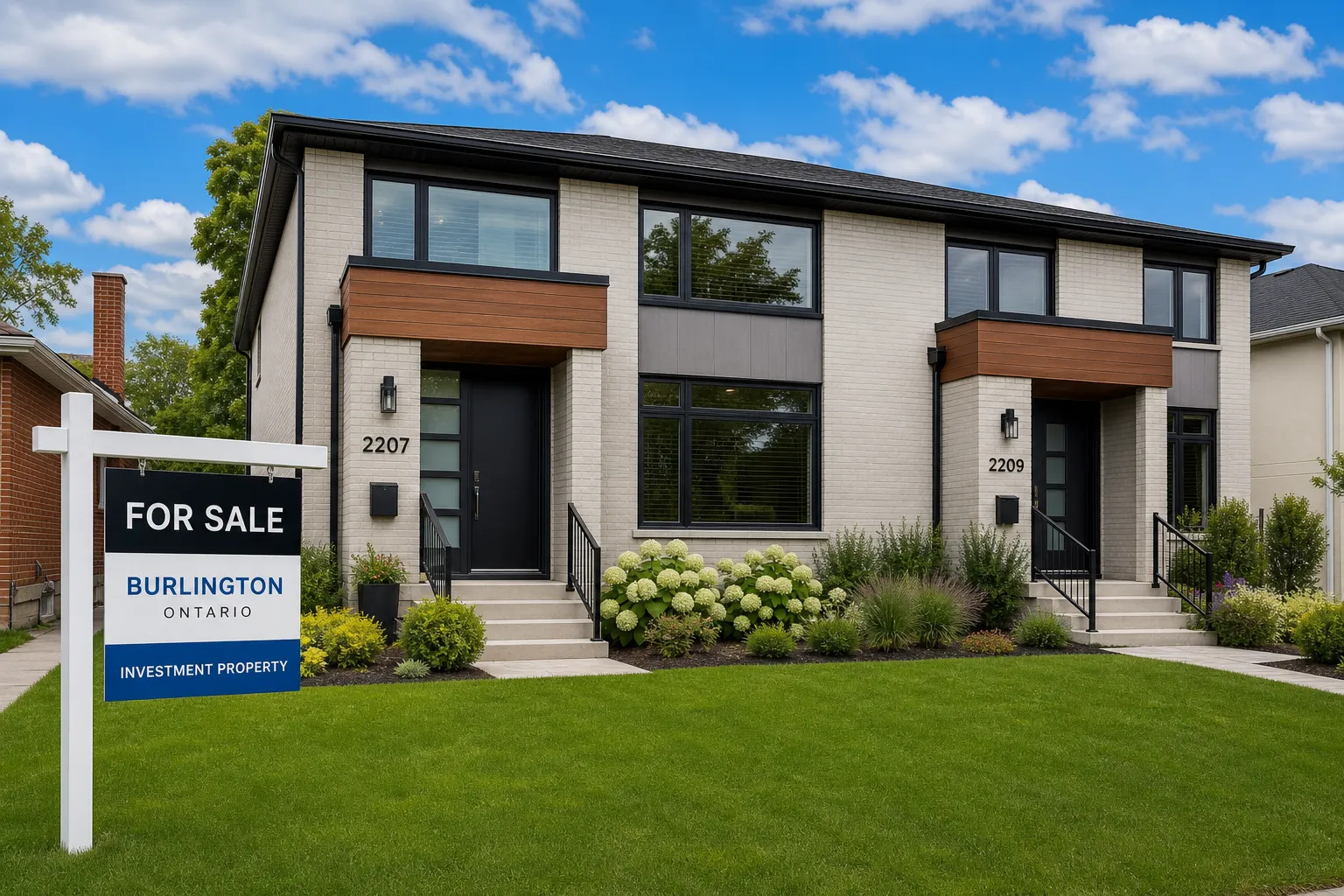

When B lenders make sense
B lenders are a practical option when your situation does not fit the strict box of prime lending. Common scenarios include:
- Credit score is between 550-650 — below most prime lender minimums
- Income is self-employed or commission-based without a full 2-year history
- Debt ratios exceed prime lender maximums of 39% GDS / 44% TDS
- Property type is non-standard — rural, recreational, mixed-use, or unique construction
- Recent credit challenges like late payments, a consumer proposal, or a short bankruptcy discharge
- You are buying a second home or investment property with less documentation
B lenders are not a last resort — for many borrowers they are simply the right tool for the situation. The key is understanding what you are getting and having a plan to move to prime over time.
How B lenders differ from prime lenders
B lender rates are typically 1-4% higher than prime rates, reflecting the increased risk they take on. Terms are usually 1-3 years rather than the standard 5-year term offered by major banks. However, B lenders are still regulated institutions that follow provincial lending laws, unlike private lenders who operate outside much of the regulatory framework.
The most important feature of a B lender mortgage: it includes a clear path back to prime lending. After 12-24 months of on-time payments and improved credit, many borrowers can refinance into an A lender at significantly lower rates. This transition often saves more in the long run than waiting to qualify for prime upfront while the housing market moves higher.
B lenders also typically offer faster approval times than prime lenders — often 24-48 hours versus 5-10 business days. If you are on a tight timeline to close a purchase, this speed can be decisive.
What B lenders look for
Beyond credit score, B lenders consider a broader picture of your financial situation:
- Income stability and employment history — consistency matters more than the source
- Equity position — 20%+ down payment or existing equity reduces their risk
- Property value and marketability — easier-to-sell properties in strong markets are preferred
- Recent credit behavior — a few recent late payments matter more than older history
- Explanation of credit challenges — lenders want to understand what happened and why it will not recur
- Overall debt load and ability to service the mortgage at the B lender rate
B lenders are more holistic in their assessment than prime lenders. A strong compensating factor — like significant equity, a large down payment, or a co-borrower with good credit — can outweigh a specific weakness in your file.
B lender vs private lender: knowing the difference
A common confusion is between B lenders and private lenders. B lenders are regulated institutions with standard mortgage contracts, consumer protections, and clear terms. Private lenders are individuals or investor groups lending their own capital, typically at higher rates and with shorter terms (6-24 months). Private loans are useful for very short-term situations but are not a sustainable long-term solution. B lenders are almost always the better choice for borrowers who need alternative financing for 1-3 years while rebuilding their credit profile.
Common myths about B lenders
Some borrowers avoid B lenders because of misconceptions. The reality: B lenders do report your payment history to credit bureaus, so on-time payments actively help rebuild your credit. B lender mortgages are not inherently risky — they are simply priced for different risk profiles. And using a B lender does not mean you will never qualify for prime — most borrowers transition within 2-3 years. The monthly payment difference between B lender and prime rates is often smaller than borrowers expect, especially when compared to the cost of renting while waiting to qualify for prime.
The path back to prime
A B lender mortgage is often a bridge, not a destination. With consistent payments and improving credit, most borrowers can transition to prime lending within 1-3 years. A broker can help plan this transition and set expectations upfront. Typical steps include making all payments on time for 12+ months, paying down other debts to improve debt ratios, monitoring your credit score for improvement, and refinancing when your profile meets prime lender thresholds. Your broker should provide a clear roadmap with specific milestones at the time you close your B lender mortgage.